
- Conferences
- Becoming a Member
- Facts and Figures
- History of IGDF
- Gifts in Wills
- International Guide Dog Day
- IGDF in the Media
- IGDF and ADI Joint Position Statements
- Starting a Guide Dog Organisation
- Section 7: Kennel services and /or boarding facilities
- Section 11: Adoption/career change services
- Development journey towards IGDF membership for emerging Guide Dog Organisations
- IGDF and ADI Joint Access Survey ‘Paws for Access’
- Enquiring Organisation (EO) application form
- Application Organisation (AO) application form
- Organisation Structure
Panel Members
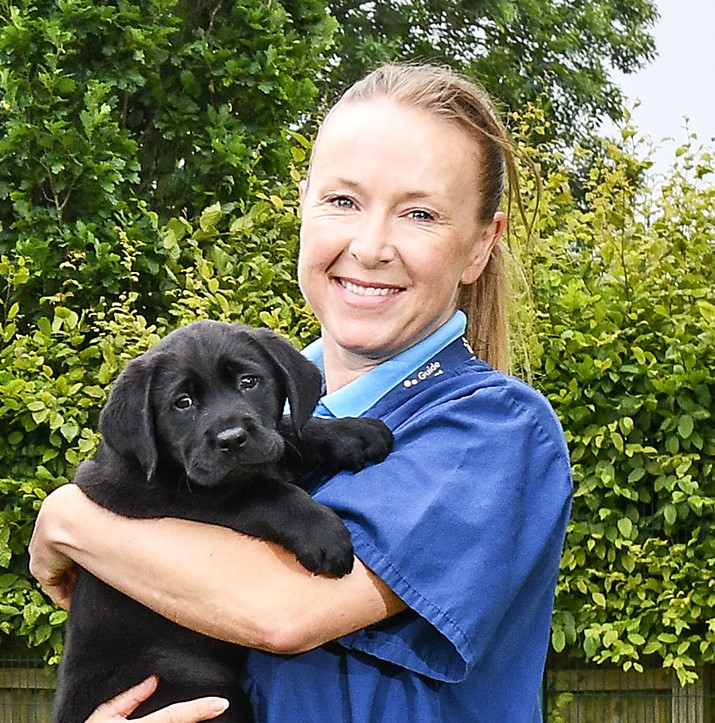
Dr. Rachel Moxon (Co-Chair)
Guide Dogs for the Blind Association, UK
Dr Rachel Moxon, Breeding, Welfare and Veterinary Programme Lead, Guide Dogs UK. Rachel began her research career working in equine nutrition and exercise physiology research at Kentucky Equine Research. Rachel joined Guide Dogs in 2008 and now leads the Canine Science Team. Rachel’s research interests are dog health and reproduction and her work focuses on improving the effectiveness of guide dogs throughout their working lives, their overall health and wellbeing. Rachel completed her PhD in 2024 at the University of Nottingham, School of Veterinary Medicine and Science, where she is now Honorary Assistant Professor in Canine Health Science. Rachel’s PhD research focused on the effects of neutering, and neutering prepubertally or post-pubertally, on bitch health, behaviour and development.
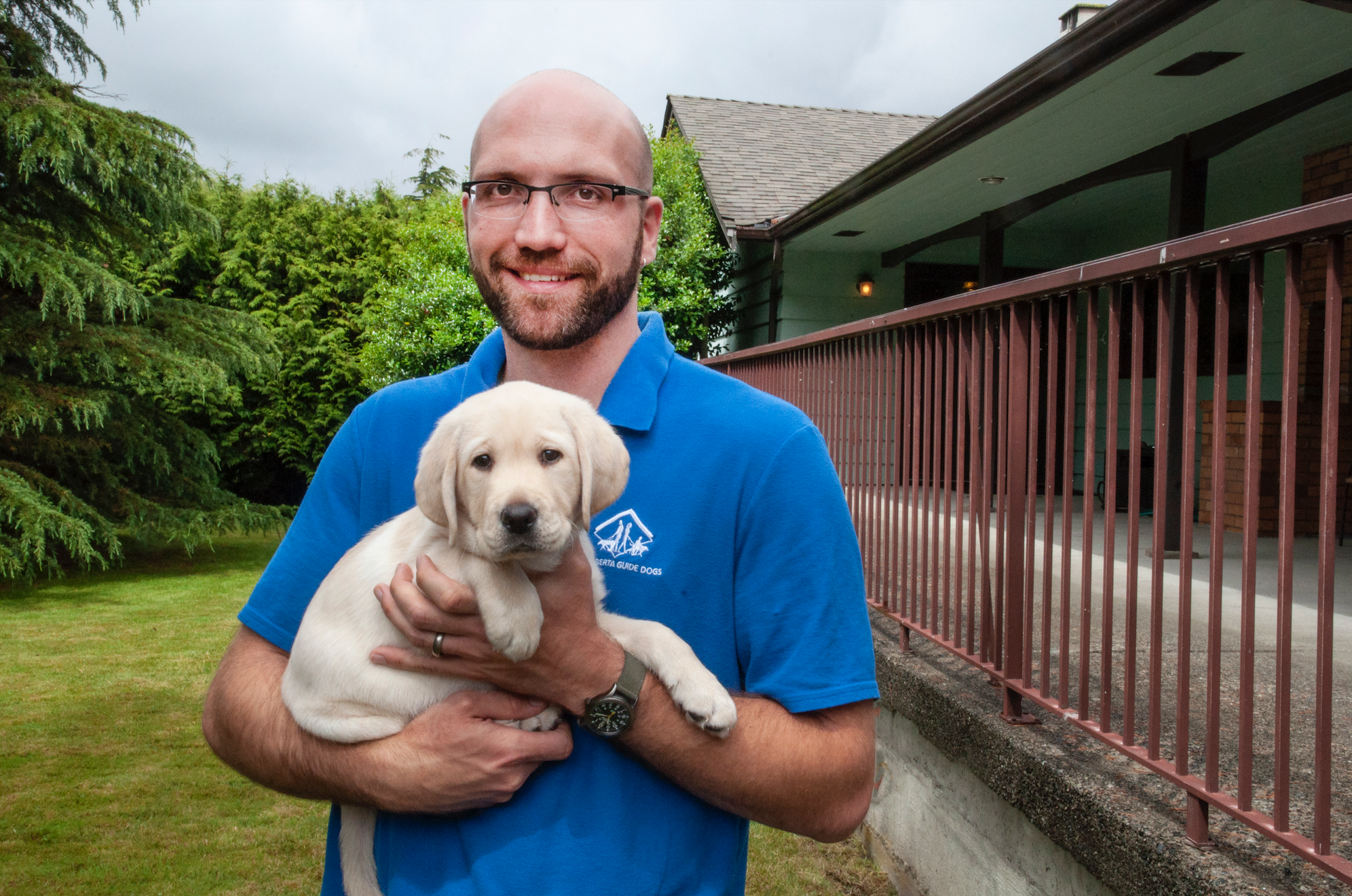
Matthias Lenz (Co-Chair)
BC & Alberta Guide Dogs, Canada
Matthias Lenz is the Director of Puppy Development at BC & Alberta Guide Dogs, where he leads the development and expansion of the organization’s puppy raising and early training initiatives. Deeply committed to collaboration and continuous improvement within the guide- and service dog sector, he serves as Chair of the Webinar Committee for Assistance Dogs International and facilitates monthly networking meetings that connect programs around the world. Matthias has presented his work at several past ADI and IGDF conferences through presentations and participating in panel discussions. He is also a co-host of an animal training podcast called ’Not Another Dog and Pony Show Podcast’.
Haley Andrews (IGDF Board Liaison)
Guide Dogs for the Blind Association, UK
Haley Andrews is an experienced national operations leader with more than 19 years dedicated to the development, welfare and delivery of guide dog services. Her career with Guide Dogs UK has spanned frontline mobility instruction, operational leadership and national programme management, providing her with extensive expertise across the full guide dog pathway — from puppy development and dog flow management to partnership training, placement and retirement support.
A strong advocate for collaboration and professional development across the sector, Haley has contributed extensively to international knowledge sharing and standards development within the guide dog community. She currently co-chairs the International Guide Dog Federation Puppy Raising Group alongside Sarah Blevins from Guide Dogs for the Blind Association (GDB), supporting collaboration and shared learning among member organisations worldwide.
Haley supports sector-wide collaboration through her involvement with the Assistance Dogs UK Volunteer Working Group, helping strengthen volunteer engagement and experience across assistance dog organisations.
Haley is recognised for her balanced, thoughtful and collaborative leadership style, and for her commitment to ethical canine management, operational excellence and high welfare standards. She remains passionate about supporting the continued development of guide dog services internationally, helping organisations work together to maximise independence, mobility and opportunity for people living with visual impairments.
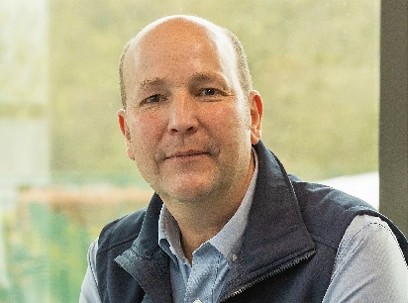
Tim Stafford
Second Sight Consulting, UK
Tim is the founder and Principal Consultant at Second Sight Consulting, providing strategic advisory support and guidance on operational improvement to guide dog and other assistance dog organisations in the UK and internationally.
With more than 40 years of experience spanning front-line practice, operational management, senior leadership and international governance, Tim brings a unique blend of strategic insight and practical realism to organisations seeking to strengthen their programmes and uphold the highest standards of dog welfare, behaviour, training and service delivery. Tim’s professional background includes senior leadership roles with Guide Dogs UK and eight years serving as a Trustee/Director with the International Guide Dog Federation and Assistance Dogs UK. Tim is currently part of the leadership team developing Standards for Assistance Dogs and acts as the convenor of the working group for client services and chair of the British Standards Institute committee.
Tim’s professional experience is enhanced by academic qualifications in Applied Animal Behaviour and Anthrozoology. This provides a deep insight into operational reality, whilst also embracing new evidence and societal trends that should inform the evolution of global standards, ethical frameworks, and best practice across the sector.
Tim is a passionate advocate for dog welfare and aligns his approach with the pragmatism necessary to deliver the outcomes required for the success of assistance dog organisations. He is regularly asked to deliver media interviews and presentations to national and international audiences on assistance dog training, welfare, and the human‑dog bond.
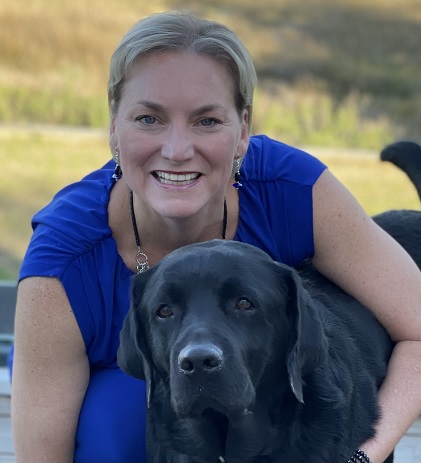
Jennifer Rogers
Palmetto Animal Assisted Life Services, USA
Jen Rogers has more than 30 years of experience in animal training, service dog development, and animal-assisted services, with a career-long focus on advancing animal welfare and well-being. She holds a B.S. in Biology and an M.Ed. in Neuroscience and Trauma Response and is the Founding Director of PAALS, an ADI- and AASI-accredited assistance dog organization.
Jen has served in national and international leadership roles advancing welfare standards for working animals, including on the Assistance Dogs International North American Board and as a founding board member of Animal Assisted Services International. Since 2022, she has worked with ADI and the International Guide Dog Federation to promote evidence-based practices that elevate canine welfare and currently serves as ADI liaison to the joint ADI–IGDF Dog Welfare and Ethics for Working Dogs Committee.
Her work through her company Synapsis further explores the intersection of animal welfare, neuroscience, trauma-responsive practice, and the human-animal relationship. Jen’s experience spans service dogs, equine-assisted services, zoological animals, and marine mammals, with a consistent emphasis on ensuring that animal well-being is central to ethical human-animal partnership.
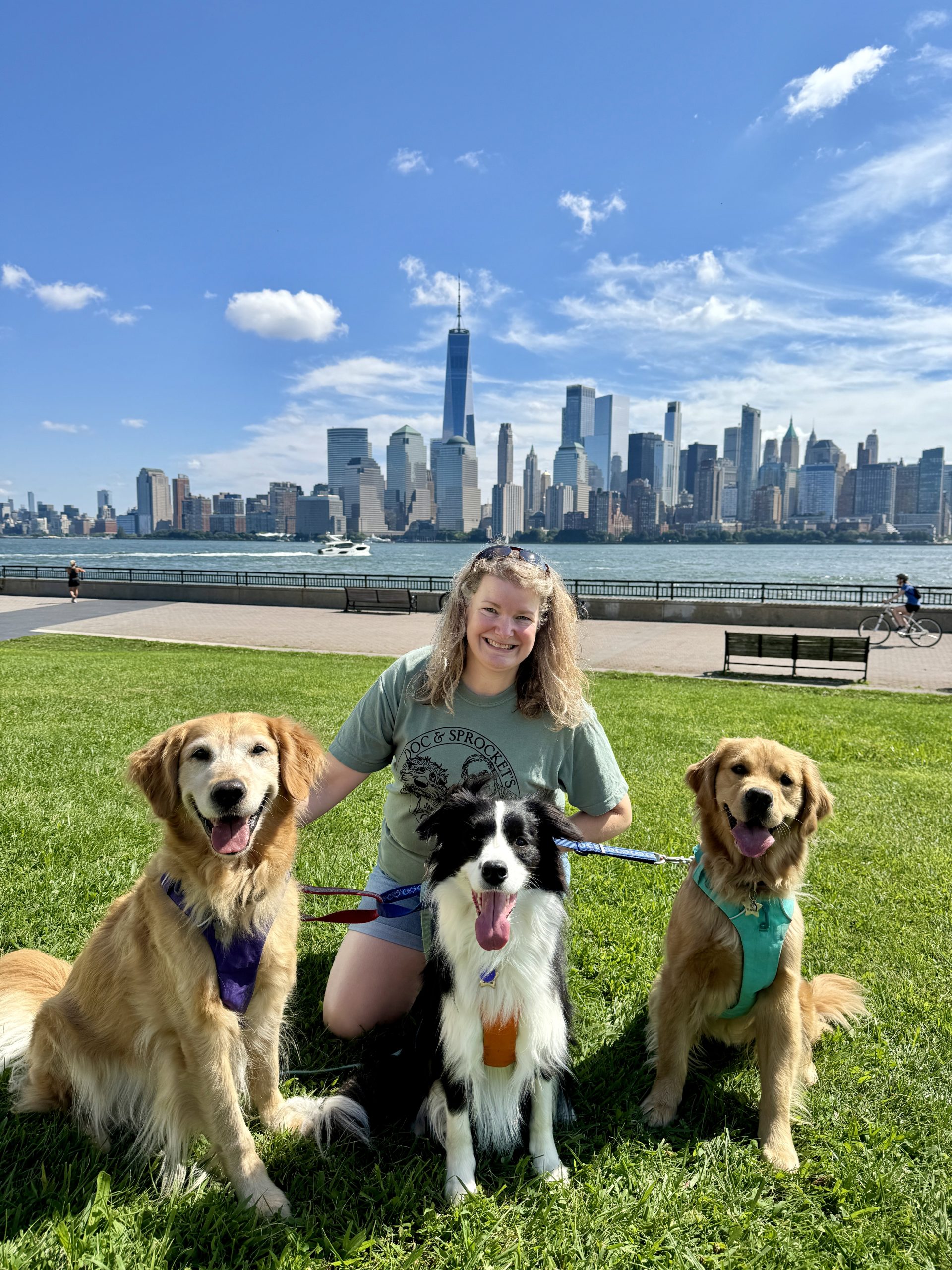
Dr. Katy Evans
The Seeing Eye, USA
Dr. Katy Evans qualified as a veterinarian from the University of Bristol in 2001. After 6 years of clinical work, she undertook a Postgraduate Studentship in Small Animal Epidemiology at the Animal Health Trust, Newmarket, and gained an MSc in Veterinary Epidemiology and Public Health from the Royal Veterinary College, London.
Katy then took up a PhD Studentship in quantitative genetics at the University of Nottingham. This entailed working with Guide Dogs’ health and behavioral data to investigate the potential for estimated breeding values (EBVs) for traits of interest. She gained her PhD in January 2015 and then worked as a Postdoctoral Research Fellow at the University of Nottingham developing Guide Dogs’ EBVs and assisting with their implementation. Two years at the Kennel Club in London as Health Research Manager followed, with her key focus there being getting the ‘Breed Health and Conservation Plans’ project off the ground.
Since January 2019, Katy has been the Jane H. Booker Chair in Canine Genetics at The Seeing Eye, Inc, in Morristown, New Jersey. The Seeing Eye is the world’s oldest guide dog school, founded in 1929, and breeds and trains German Shepherds, Labrador Retrievers, Golden Retrievers and crosses between the retriever breeds. In October 2025, Katy’s role was expanded to include acting as The Seeing Eye’s Animal Welfare Lead, helping focus the school’s animal welfare policies and practices.
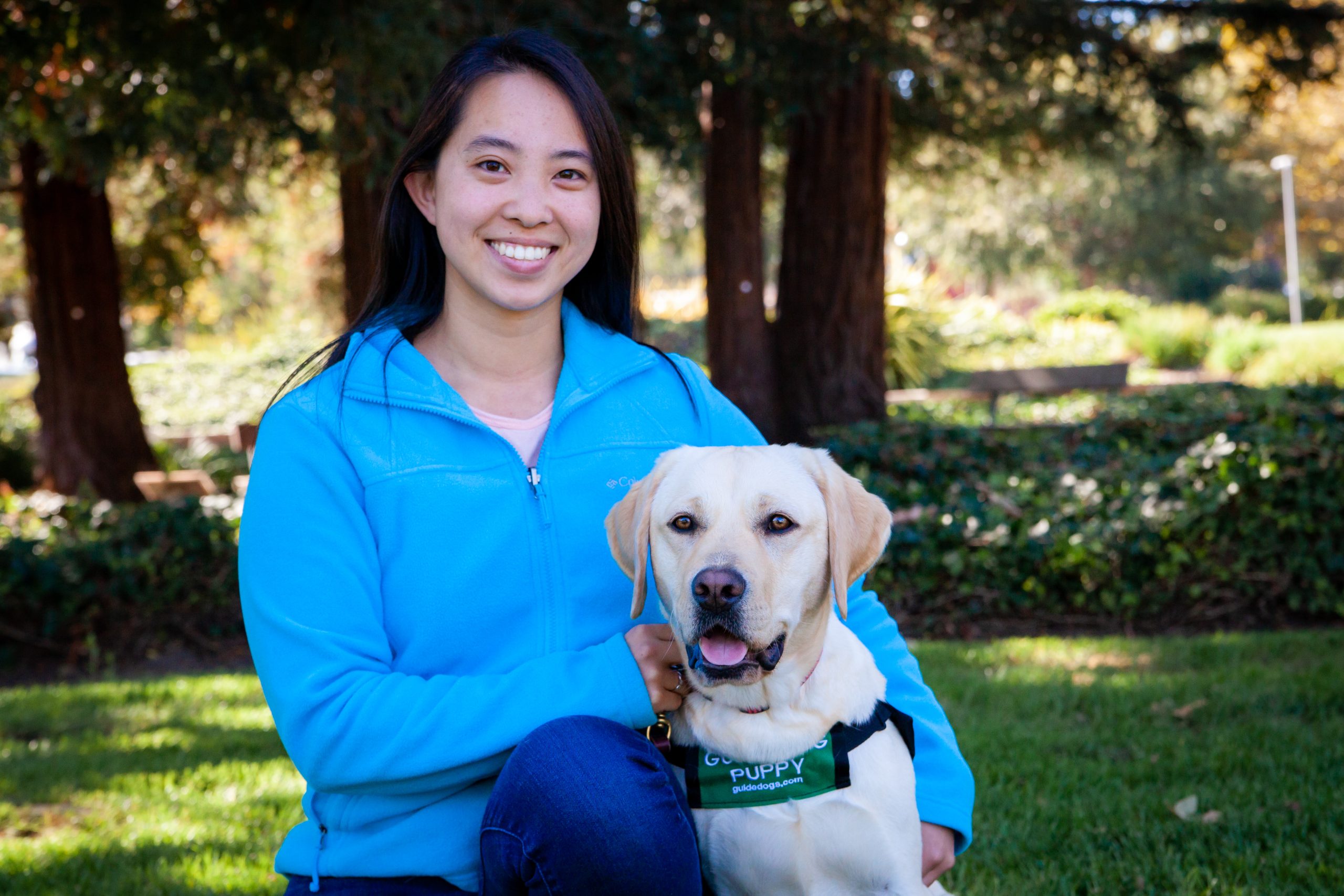
Dr. Lynna Feng
Guide Dogs for the Blind, USA
Dr. Lynna Feng is the Canine Research Manager at Guide Dogs for the Blind, USA (GDB). She holds a PhD in Psychological Sciences, a Master’s of Applied Statistics, and a B.S. in Animal Science with an Animal Behavior specialty. In her role at GDB, she synthesizes academic literature and historical program data in canine health and behavior to support informed decision making. As a member of the Dog Welfare and Ethics Panel, Lynna enjoys the thoughtful and sometimes challenging conversations surrounding the complexities of working dog welfare and the diverse cultural norms represented by ADI and IGDF member organizations worldwide. She is grateful for the opportunity to support positive life experiences for our canine constituents.
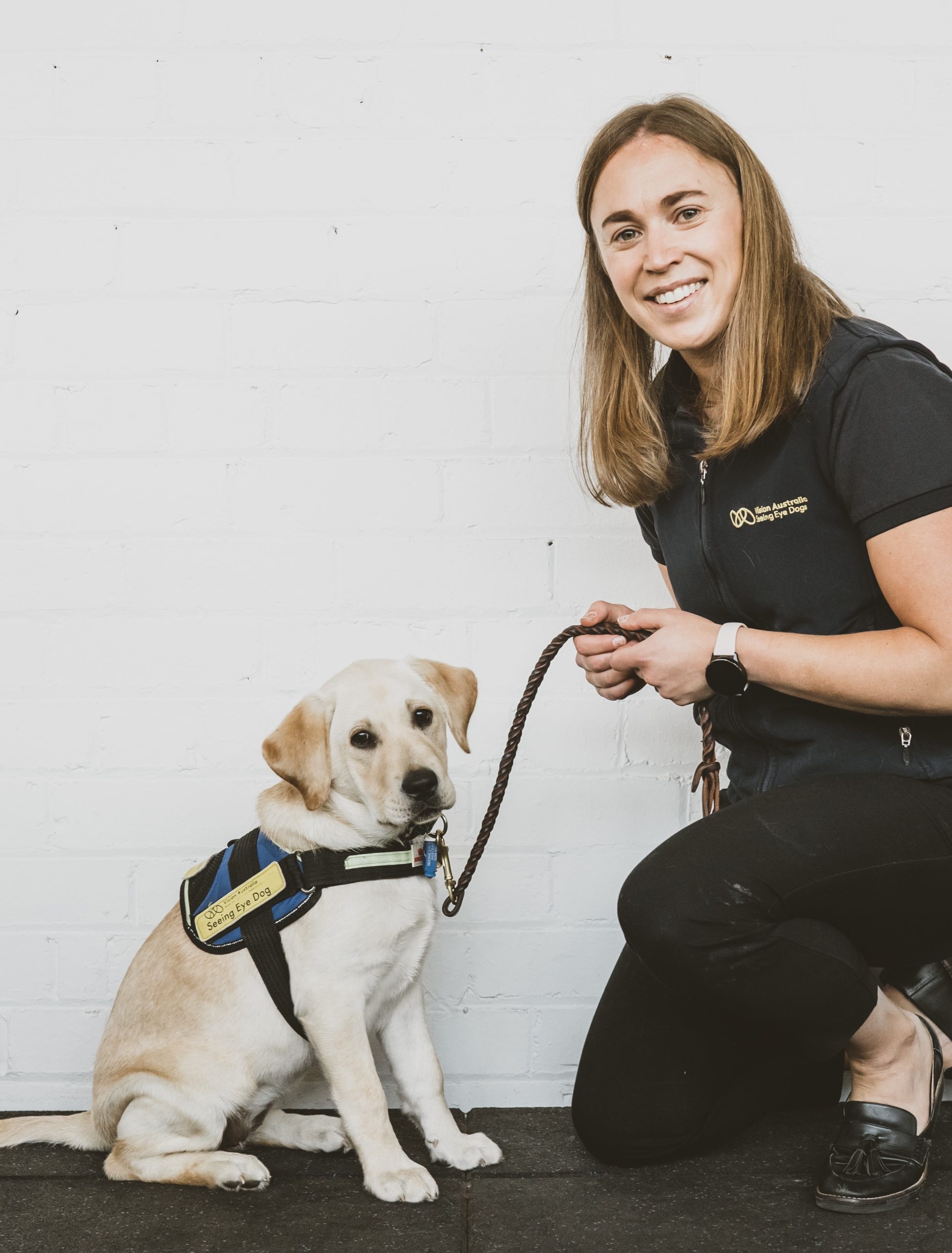
Dr. Nicola Cotton
Vision Australia Seeing Eye Dogs, Australia
As Veterinary and Reproduction Manager at Seeing Eye Dogs Australia, Nicola oversees the veterinary care of the organisation’s dog population, breeding, reproductive health and neonatal care. Nicola joined Seeing Eye Dogs in 2014, before this having worked as a veterinarian for the Royal Society for the Prevention of Cruelty to Animals, and as an emergency veterinarian.
Nicola is enthusiastic about using data to promote continuous improvement in success rates and animal welfare within the dog guide industry, and exploring the interactions between these concepts. Collaboration and knowledge sharing within the industry to deliver enhanced outcomes for dogs and clients are additional areas of focus for Nicola.
To advance this cause, Nicola has presented on dog health and breeding topics at ADI and IGDF conferences, and has taken on several roles in the industry, being a member of the IGDF Animal Welfare Special Interest Group and the ADI Breeding Standards Subcommittee. Nicola also led the development of the Seeing Eye Dogs Animal Welfare Strategy and headed Seeing Eye Dogs’ participation in the ADI Oceanic Breeding Co-operative as a founding member and currently sits on the ADI International Breeding Co-operative Steering Committee.
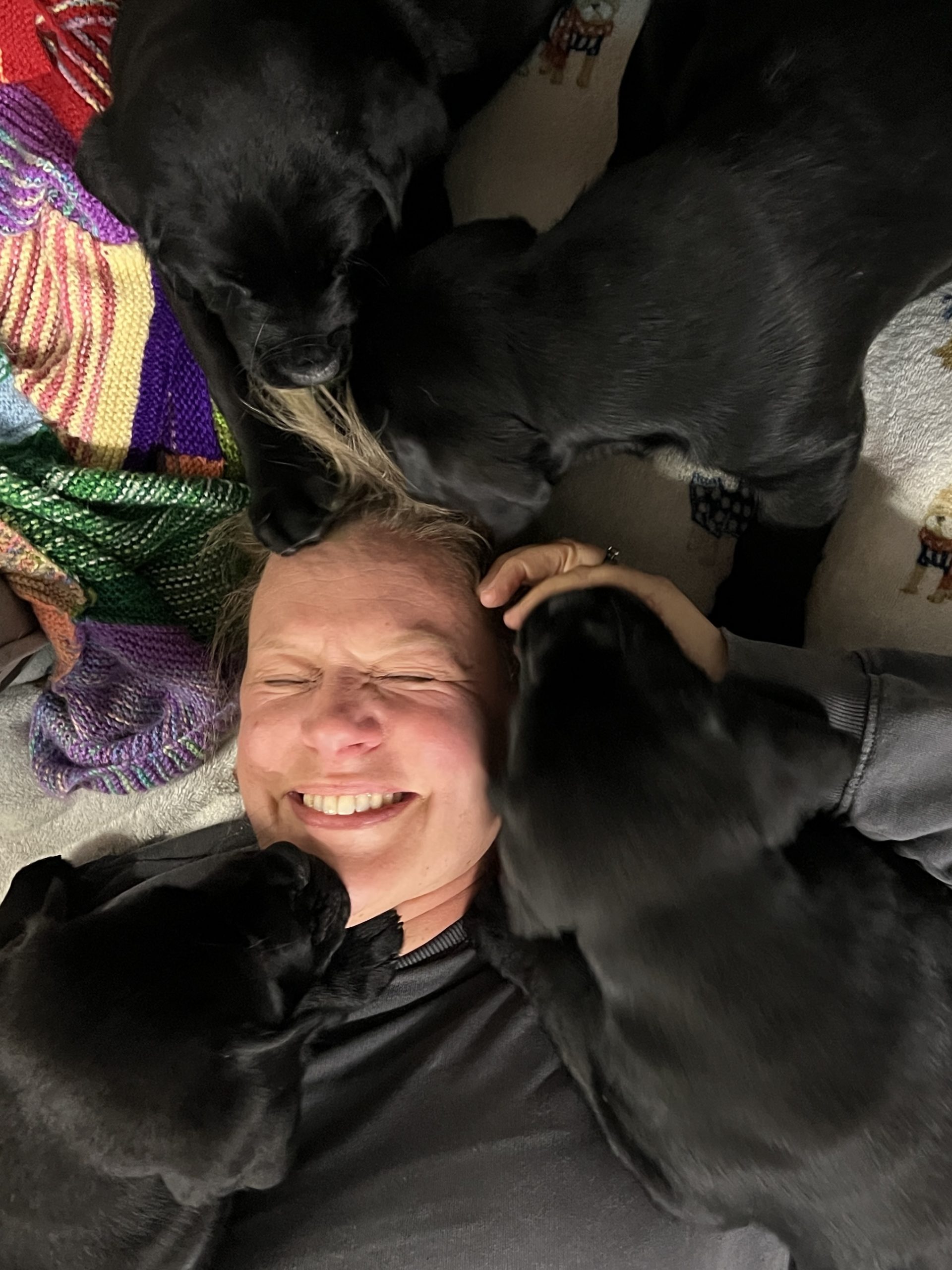
Dr. Mia Cobb
Animal Welfare Science Centre, Australia
Dr Mia Cobb is an interdisciplinary researcher at the Animal Welfare Science Centre, Melbourne Veterinary School, University of Melbourne. She holds the Chaser Innovation Research Fellowship in Canine Welfare Science and the John McKenzie Research Fellowship, the latter exploring the role of animal welfare assurance in the sustainability of animal-reliant industries. Her work focuses on working and companion dog welfare science, and she leads Happy Dog Science, a new focus area launched at the Animal Welfare Science Centre in 2026 that assesses positive welfare, including novel physiological measures, and investigates how dogs can live their best lives alongside us. She draws on over a decade of hands-on experience in working dog and animal shelters, combined with academic expertise in welfare assessment, physiological welfare indicators, and public trust in the working dog sector. She chaired the Standards Australia Committee behind AS 5350:2022, Australia’s first national standard for working dogs and has served on the joint IGDF/ADI Dog Welfare Advisory Panel since 2025.
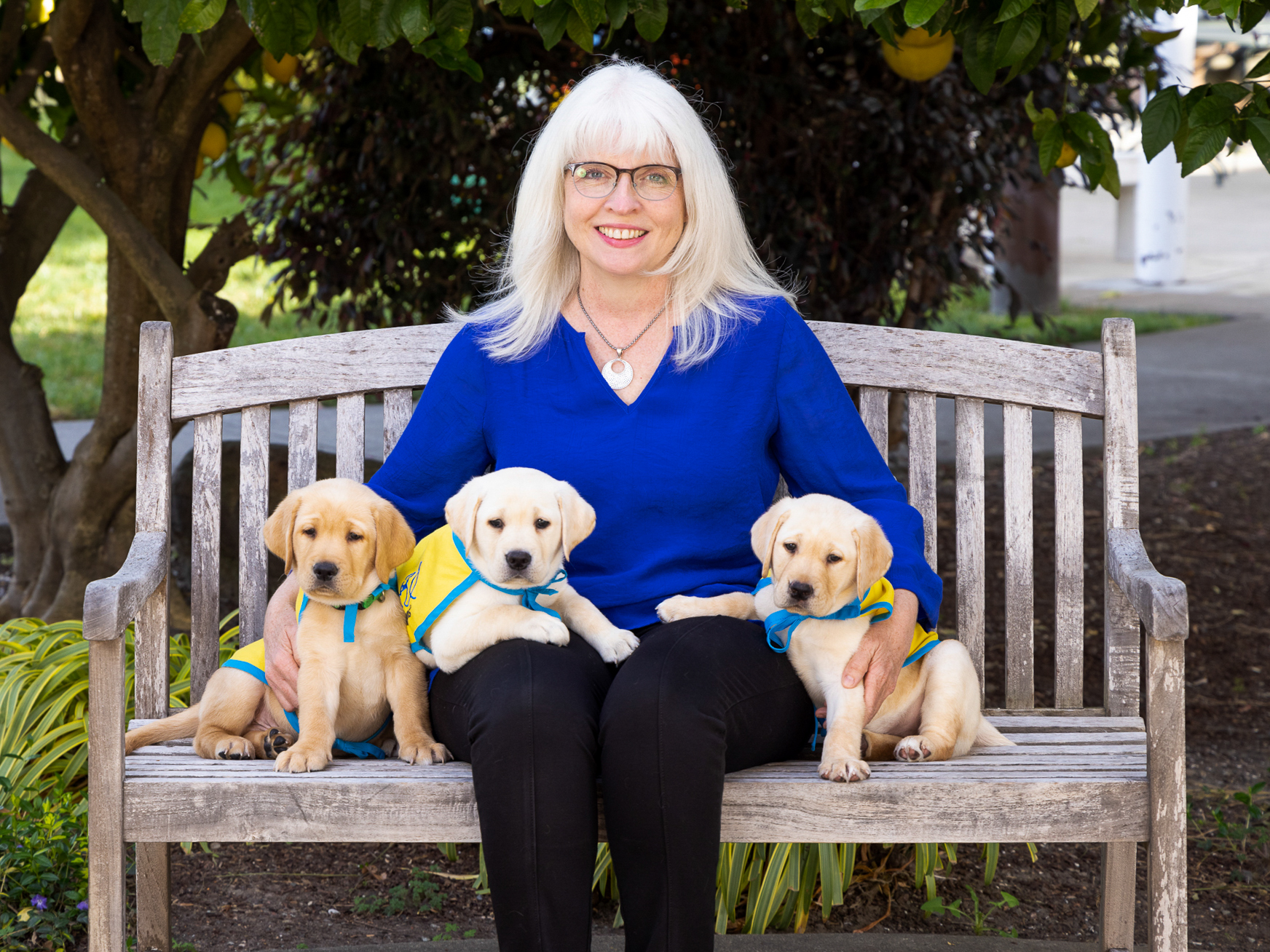
Dr. Brenda Kennedy
Canine Companions, USA
Dr. Brenda Kennedy is the Chief Scientific Officer for Canine Companions. She earned undergraduate and graduate degrees in biochemistry and developmental biology from Northwestern University and MIT, worked in biotech in the field of genomics, and received her DVM from Tufts University. Before joining Canine Companions, she spent 16 years in private veterinary practice.
Dr. Kennedy oversees veterinary care for Canine Companions’ dogs and leads research with academic and industry partners to improve service dog health, longevity, and success, with interests in nutrition, genomics, behavior, cognition, and service dogs’ impact on handlers and their families.
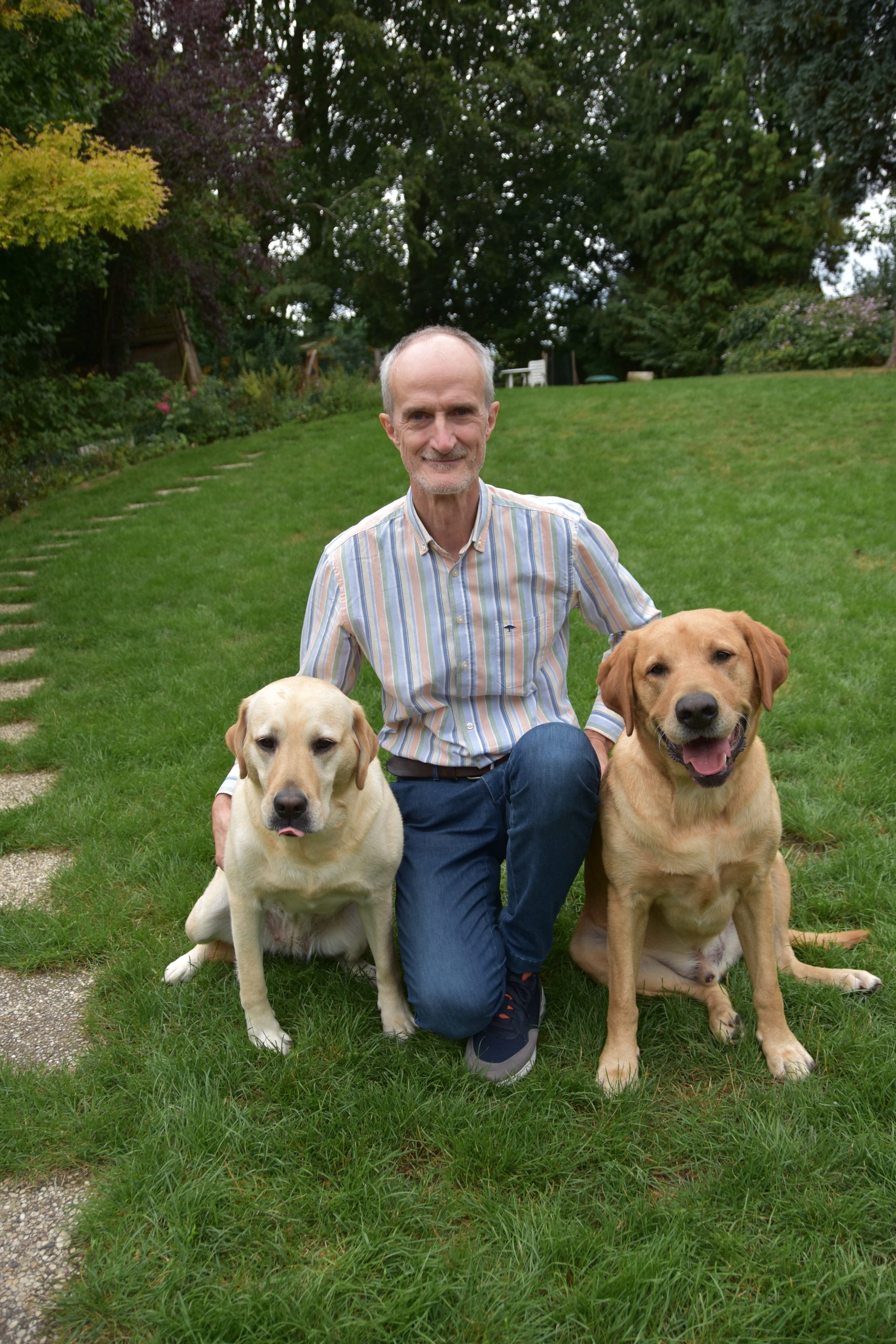
Bob Proesmans
Belgium
Together with my wife Mieke Gryffroy, also a vet and an EVSSAR member, I started a small animal veterinary practice in the Flemish part of Belgium, now nearly 40 years ago, with of course a main interest in reproduction and neontology.
Looking at the past, I have been a long standing board member of the Flemisch small animal veterinary association, from which I was the chair for 8 years, until 2021.
From the early ninetees, I am active within the international world of guide and assistance dogs, which became an eye opener for important values in life, but it also brought me in contact with people with the same passion for breeding healthy dogs.
I’ve been a board member and veterinarian at the Belgian Centre for Guide Dogs from its early existance in 1990 up to 2017.
I’ve been a founding board member of Purpose Dogs, a breeding project for assistance dogs that started in 2018, in close collaboration with different departments of Ghent University (department of Reproduction, Animal genetics, Diagnostic imaging). I’ve left the organisation in 2025.
I seated in the IGDF Development Committee for 9 years up to 2022: The DC provides professional knowledge and technical communication with members to assist with their future development, as well as with new guide dog organisations to help them in starting their organisation.
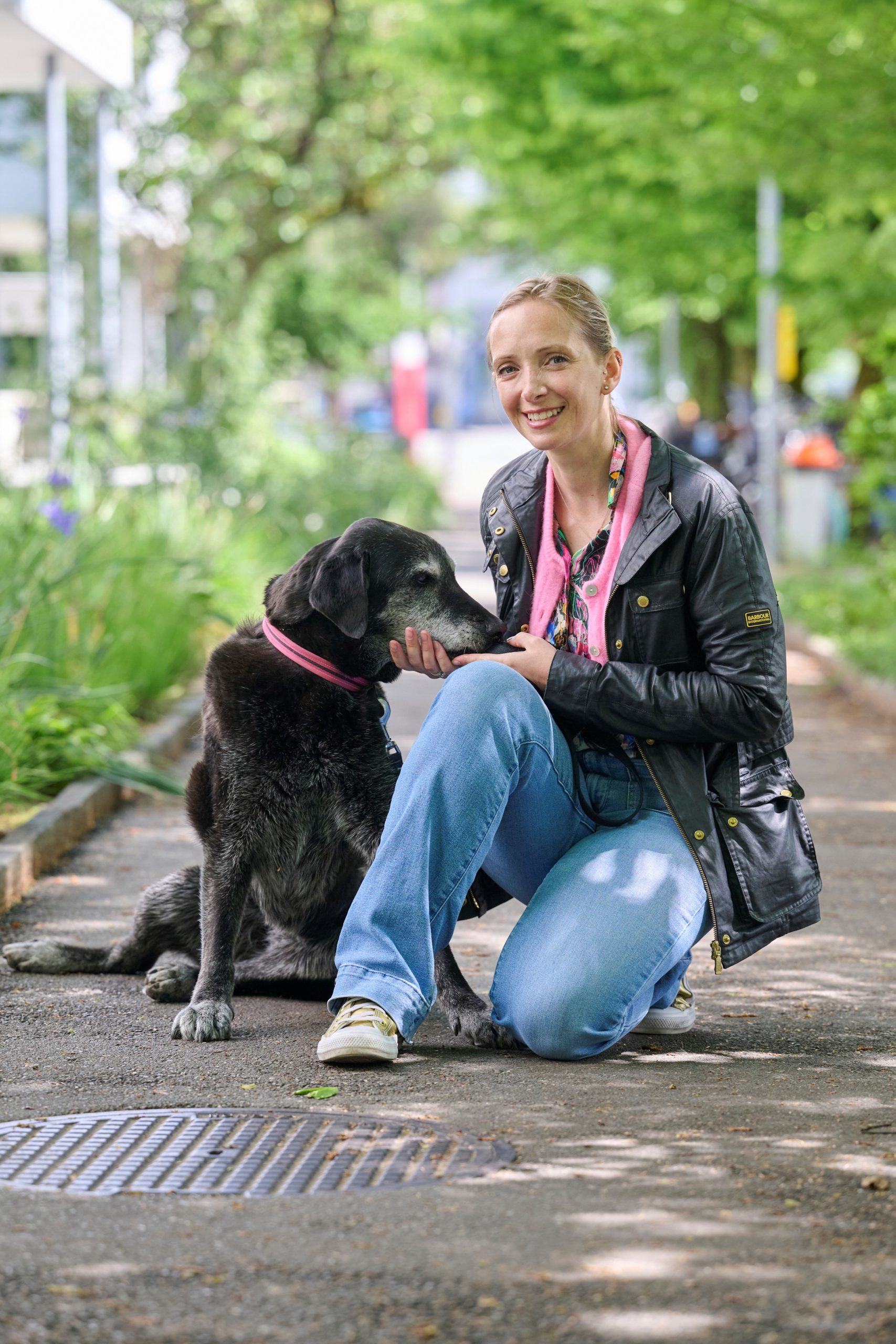
Dr. Annika Bremhorst
Switzerland
Dr. Annika Bremhorst is a canine behaviour and welfare scientist specialising in dog communication, expression of internal states, and the intersection of animal behaviour and artificial intelligence. She is a postdoctoral researcher at the Vetsuisse Faculty, University of Bern. Her research focuses on behavioural and facial indicators of emotion and pain in dogs, as well as on developing evidence-based and digital approaches to support canine welfare and the people who care for dogs. Annika is also the founder of Dogs and Science, through which she works to make canine science accessible and applicable to people living and working with dogs.